
Home / Lakehead / New Lock Installation in Lakehead
Lakehead lock fitting
New Lock Installation in Lakehead: Door Prep, Strike and Alignment
A lock can be excellent and still fail if the door beneath it is not ready. This page follows an installation step by step in Lakehead, from preparing the door to the final alignment.
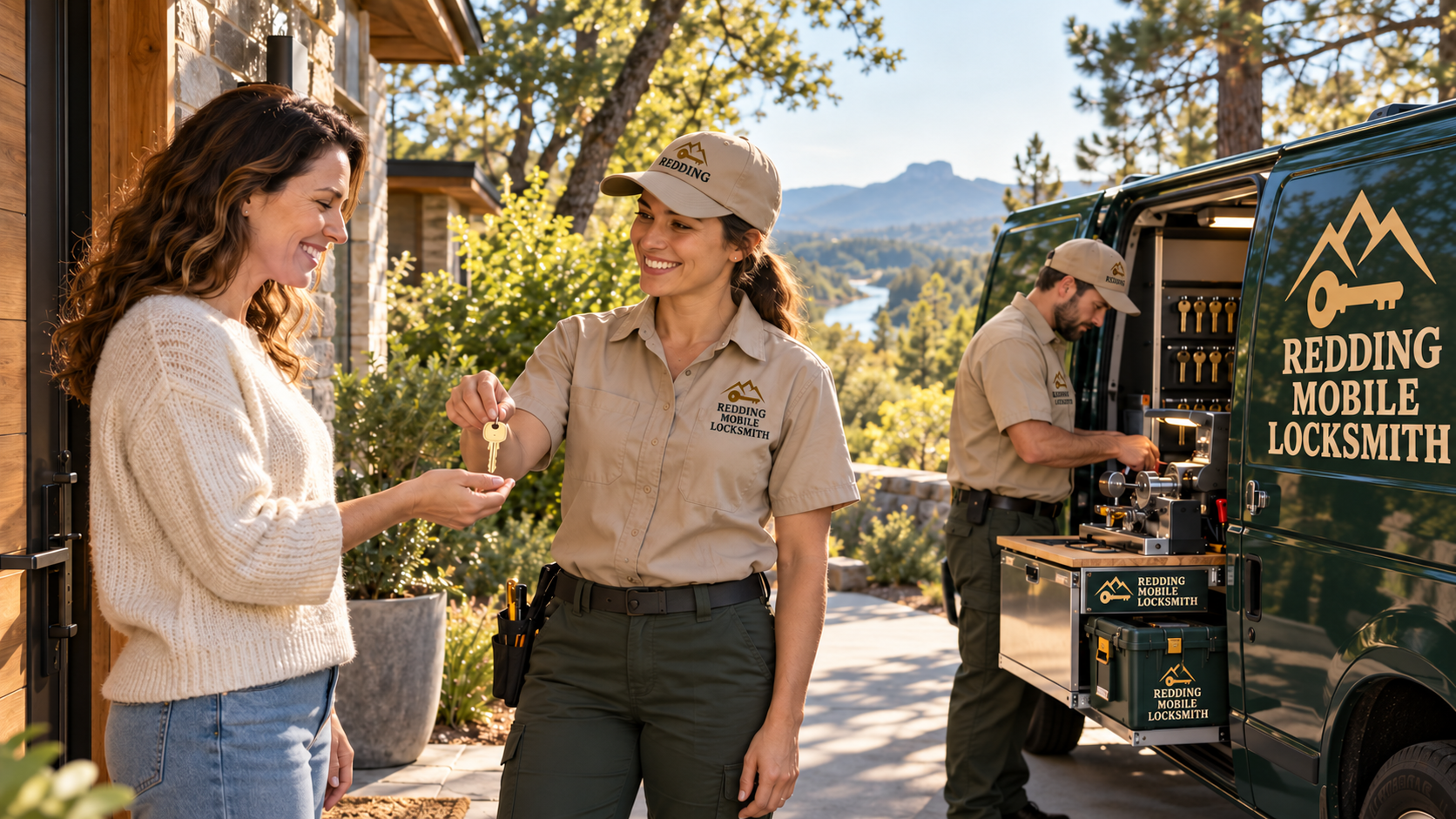
Lakehead lock fitting
A driver on a long route and a stubborn door
Imagine a delivery or rideshare driver who lives in a Lakehead rental and works a long route. The back door lock has been getting stiff, the key sometimes sticks, and the driver gets home late, tired, and in no mood for a fight with a deadbolt. A new lock sounds like the cure, but only if it is fitted so that it works easily every single time.
That is the standard to hold an installation to. A lock that needs a shoulder shove, a jiggle or a special trick to engage is a lock that will wear out early and fail on the worst night. The difference between a lock that glides and one that fights is rarely the brand. It is the preparation, the strike plate and the alignment.
This page explains those three stages in plain terms. For the service as a whole, our page on new lock installation is the main reference, and this one adds the details that matter around the lake, where damp, seasonal swings and older vacation homes make careful fitting count for more.
Reading the old lock before removing it
Good installation begins with observation. Before taking the old lock out, a technician looks at how it has been behaving and why. Is the bolt dragging on the strike? Is the latch worn? Is the key hard to turn because the cylinder is tired, or because the door has shifted and the bolt is binding? The answers shape the work.
If the old lock failed because the door had dropped, a new lock in the same spot will suffer the same fate unless the door is dealt with. If the lock was fine but the strike was misplaced, the fix may be small. A technician who simply swaps one lock for another without asking why the first one failed risks repeating the trouble.
It is worth telling the technician what you noticed: when it started, whether it is worse in some weather, whether the door rubs anywhere. That history is useful, and it is the sort of detail that is easy to forget by the time the technician arrives, so jot it down. A few lines about the symptoms, the weather and which key you use will do. For a related discussion, see our guide on why a lock turns so hard.
Preparing the door
A door is prepared by checking, cleaning and, where needed, reshaping the holes that will hold the lock. Two openings matter. The large hole bored through the face holds the lock body or cylinder, and the smaller hole in the edge holds the latch or bolt. Both must be the right size, round, clean and correctly placed for the new hardware.
If the old holes are a different size, they can be enlarged with the proper bits, and if they are too big, a trim ring, filler or a different style of lock can cover the gap. Rough or splintered edges are cleaned up so the lock sits flat. A lock forced into a tight or uneven hole is strained from day one, and its parts can bind.
Door material changes the technique. Solid wood drills cleanly but can split near an edge. Steel and fiberglass skins need the right bits and care not to dent. Older doors may have been painted many times, and the buildup can make the latch hole too tight. Our guide on how locks fit metal, wood and fiberglass doors covers those differences.
Backset, bore and the measurements behind a good fit
These measurements are the foundation, and a mistake in any one of them shows up later as a lock that binds or a door that will not latch. They are usually standard, but older and custom doors vary, which is why an installer measures rather than assumes.
The list here uses the common names. You do not need to memorize them, but knowing them helps you read a lock's packaging and describe your door. A technician will often check these first and then confirm the lock you have chosen will fit, or suggest an adapter or alternative.
If you are replacing a lock on a vacation home or a rental, record the measurements somewhere safe. The next time a lock needs replacing, whoever does the work will thank you, and you will avoid buying the wrong parts.
- The backset is the distance from the door edge to the center of the large hole.
- The bore is the diameter of that large hole, which the lock body must match.
- The edge hole holds the latch and must line up with the center of the large hole.
- The door thickness decides which lock bodies and cylinders will reach through.
- The latch faceplate must sit flush with the door edge, with no gaps.
The strike plate: small piece, big job
The strike plate is a small metal plate in the door frame with an opening for the latch and the deadbolt to enter. It looks minor, yet it carries the load whenever someone pushes on the door. The plate is only as strong as its screws and the wood those screws grab. Short screws that reach only the trim give a false sense of security.
A proper installation uses a plate suited to the lock and screws long enough to reach the solid framing behind the jamb. The opening in the frame is cut cleanly so the bolt enters freely, and deep enough that the bolt can extend fully. A shallow hole stops the bolt short and weakens the hold.
On older lake houses, the frame itself may be soft, split or rotted, especially near the ground or where water runs. If the wood around the strike will not hold a screw, the frame needs repair before the plate can do its job. A common repair is to fill the stripped holes with hardwood plugs or glued dowels, let them set, and drive fresh screws into fresh wood. Where the jamb is split, a reinforcing plate or a repair to the jamb itself spreads the load across more of the frame. Our guide on what makes a good strike plate explains what to look for.
Alignment: the quiet test of good work
Alignment means the latch and bolt meet the strike exactly where they should. The check is simple. With the door closed, the latch should click into the opening without lifting or pressing the door. The deadbolt should extend into its hole freely, with a small amount of room around it.
If the bolt has to be lifted into place, or the door has to be pulled or pushed, something is off. The strike may sit a little high or low, the hinges may have loosened, or the door may have swollen. A technician adjusts the strike, tightens or shims the hinges, or trims the door, depending on the cause. Do not accept a lock that works only when you lean on the door.
Misalignment wears everything. A bolt that scrapes the edge of the hole chews up the bolt and the plate. A latch that drags polishes itself loose. A lock that fights alignment will eventually fail, often in cold or damp weather when wood moves. Our guide on whether a door that will not close can be fixed goes into the options.
Hinges, sag and the seasons around the lake
Lakehead sits in mountain lake country, with hot dry summers and cooler damp winters, and wood responds to both. A door that fits in July may stick in January. Hinges that carry a heavy door for years can loosen, allowing it to sag and drag the bolt out of line.
That is why installers look at the hinges. Tight screws, long enough to reach the framing, keep the door hanging true. If a hinge screw hole is stripped, a longer screw or a filler restores the grip. Where a door has dropped, shimming a hinge can bring it back. These small steps often matter more to a smooth lock than the lock itself.
Leave a little tolerance. A bolt that fits tightly in dry weather may bind when the wood swells. A technician will aim for a fit that works across the seasons rather than one that is perfect on the day. Our guide on whether weather and seasons affect locks explains the pattern.
If you can, check the door twice a year, once in the dry heat and once in the damp cold. Close it slowly and watch the gap around the edge. A gap that is even all the way around is a healthy door. A gap that narrows toward one corner tells you where it is rubbing, and a technician can use that clue to find the cause before the lock suffers for it.
Choosing among deadbolts, handles, keypads and smart locks
A lock should suit the person who uses it. For a driver coming home late, a keypad or a smart lock may be a relief: no fumbling for keys in the dark, no chance of leaving them on a seat. For a rental shared by several people, codes can be changed when someone moves out, with no key to chase. For a simple, rarely used door, a good mechanical deadbolt may be the right fit.
Each option comes with questions to ask. How does it work if the battery dies? Is there a key backup? How does it handle cold, damp and dust? Who can change the codes? Our guide on what a smart lock is and who needs one weighs these.
Whatever you pick, make sure the door and frame suit it. A heavy electronic lock on a thin door can strain the hardware, and a motorized unit needs room for its mechanism. A technician can say whether your door can carry what you have in mind.
Think about how the lock will be used on the worst day, not the average one. For the driver in our picture, that is a late night, wet hands, a bag in one arm and a dim porch. A lock with a large, easy to find keyway, or a keypad with lit buttons, serves that person better than a small, finicky cylinder. Ask to try the lock yourself before the technician leaves, with your hands full if you can manage it.
Testing the finished lock
When the lock is in, the testing starts. The technician works every key, turns the bolt from both sides, and opens and closes the door many times. With the door open, the bolt should extend and retract smoothly. With the door closed, it should do the same, and the latch should catch with a crisp click.
Test it the way you will use it. Try it with your arms full. Try it with the door closing behind you. Try it with the key you will carry, not only the one the technician holds. If the lock is electronic, test each code, the backup key and the response when the battery is low.
Ask the technician to point out anything unusual. If the door still rubs somewhere, or the bolt feels slightly tight, say so now. Adjustments are easiest while the tools are still out. Our page on lock repair and adjustment describes what can be tuned afterward.
Finally, keep the paperwork and packaging notes that came with the lock, including any key code or card. That small envelope tells a future technician exactly what was installed and how it is keyed, which can save an hour of detective work. Store it with other household papers, away from the lock itself, and do not write the key code on the door frame or anywhere a stranger could read it.
Keys, copies and who should have them
A new lock arrives with new keys, and the question is who gets them. Count how many you received, decide how many you need, and keep the extras somewhere sensible. Some locks restrict copying, so that blanks cannot be duplicated at a hardware counter. That can protect you, but it also means a spare must be ordered through the right channel.
If you rent, or live with others, find out who is allowed to change a lock. Rules about locks in rentals vary, and landlords often have expectations about keys. It is a question for your lease and your landlord, not something we can decide for you. Our guide on what renters should ask a landlord about lock changes gives you a starting list.
If the aim is only to change who has keys, a rekey may do the job. See rekeying your home for how that works.
Arranging an installation near Lake Shasta
To start, list the doors and describe each: type, thickness if you know it, the problem, and what you want. Photos help. Note any gate, road or parking details, since the van carries tools and hardware and needs a place to work. Send it through the request form while the phone line is coming soon.
If you are a seasonal visitor or a renter, tell us who has authority to approve the work and whether anyone will be on site. If you are on a tight schedule, say so, though we do not promise times. A clear description lets the technician plan the right parts and the right order of work.
For related reading, new lock installation in Millville looks at the same service in a foothill setting, and the Lakehead page collects every local service in one place.
Good to know
Common questions
Why does my new lock still feel stiff?
A new lock should turn easily. Stiffness usually means the door and strike are not aligned, a hole is too tight, or the door has shifted. Do not force it. A technician can adjust the strike, hinges or door edge, and recheck the fit so the bolt moves freely.
Do I need a new strike plate with a new lock?
Often it helps. A plate with long screws that reach the solid framing makes the lock far stronger, and a clean opening lets the bolt extend fully. The existing plate may be fine if it is sound and well fixed. A technician can check and tell you whether to replace it.
What is a backset?
It is the distance from the door edge to the center of the large hole that holds the lock body. Two sizes are common and they are not interchangeable without adjustments. Knowing yours helps you choose the right lock and lets the installer prepare the door properly.
Will a keypad lock work in cold or damp weather?
Many do, but cold can shorten battery life and moisture can affect some units. Ask about the operating conditions for the model you are considering, and about a key backup. For an exposed door near the lake, choose hardware made for outdoor exposure and check it each season.
My door sticks in winter. Should I fix that first?
Yes, it is wise. A swollen or sagging door strains any new lock and can make the bolt bind. Adjusting hinges, trimming an edge or realigning the strike often solves it. The lock can then be fitted with a little allowance for changes between seasons.
Can I install a lock myself?
A simple swap can be a reasonable project for a handy person if the holes and measurements match. Preparing the door, setting the strike and aligning the bolt take more care. If the door is old, damaged or unusual, help from a technician usually saves time and prevents damage.